What it tastes like
Juniper first. Clean, piney, present, but it doesn’t smack you around. The middle is where it gets interesting: peppery coriander, lemon peel oils, a faint warmth from something they call grains of paradise (basically pepper’s cousin). Finishes with bitter almond and a slight liquorice note.
Compared to Tanqueray it’s softer on the juniper. Compared to Hendrick’s it’s drier and more traditional. It sits squarely in the middle of the gin spectrum, which is exactly why it works in so many cocktails. Boring? Maybe. Reliable? Absolutely.
How to drink it neat
Honestly, you don’t really. Bombay Sapphire is built for cocktails, not for sipping. If you want a sipping gin, buy Plymouth or a craft gin. If you do want to taste this one solo, pour it over one big ice cube, leave it for two minutes, add a thin lemon peel. That’s about as sippable as it gets.
Tasting it side by side with another gin? Do it at room temperature. Cold flattens the botanicals and you’ll miss what makes each gin different.
Drink Buddy Exclusive
Tell us what's in your cabinet.
Our Cocktail Builder takes whatever bottles you've got and hands you every drink you can actually make tonight.
Open the Builder →Get the Drink Buddy newsletter
One drink, one tip, one Tuesday a month.
Plus the recipes we drop before they hit the site. Zero spam.
The vapour infusion thing
Bombay Sapphire’s signature technique is vapour infusion. Most gins macerate the botanicals directly in the spirit. Bombay Sapphire suspends them in copper baskets above the still, and the alcohol vapour passes through the botanicals as it rises. The result is meant to be lighter and more aromatic than maceration.
Whether the technique meaningfully changes the flavour vs. macerated competitors is debatable. What it does change is consistency, vapour infusion is more controllable batch-to-batch. Bombay Sapphire tastes the same in 2026 as it did in 1996. That’s the real value of the technique.
The ten botanicals
Juniper berries (Tuscany), coriander seeds (Morocco), angelica root (Saxony), liquorice (China), lemon peel (Spain), orris root (Italy), almond (Spain), cassia bark (Indo-China), cubeb berries (Java), and grains of paradise (West Africa). The botanical map on the back of the bottle isn’t marketing decoration, those origins are real.
The two unusual ones are cubeb and grains of paradise. Cubeb gives a slight peppery-pine note, grains of paradise add the warmth that lifts cocktails like a Negroni. Most gins use 6-8 botanicals; Bombay’s ten are part of why it sits comfortably in so many drink styles.
The blue bottle
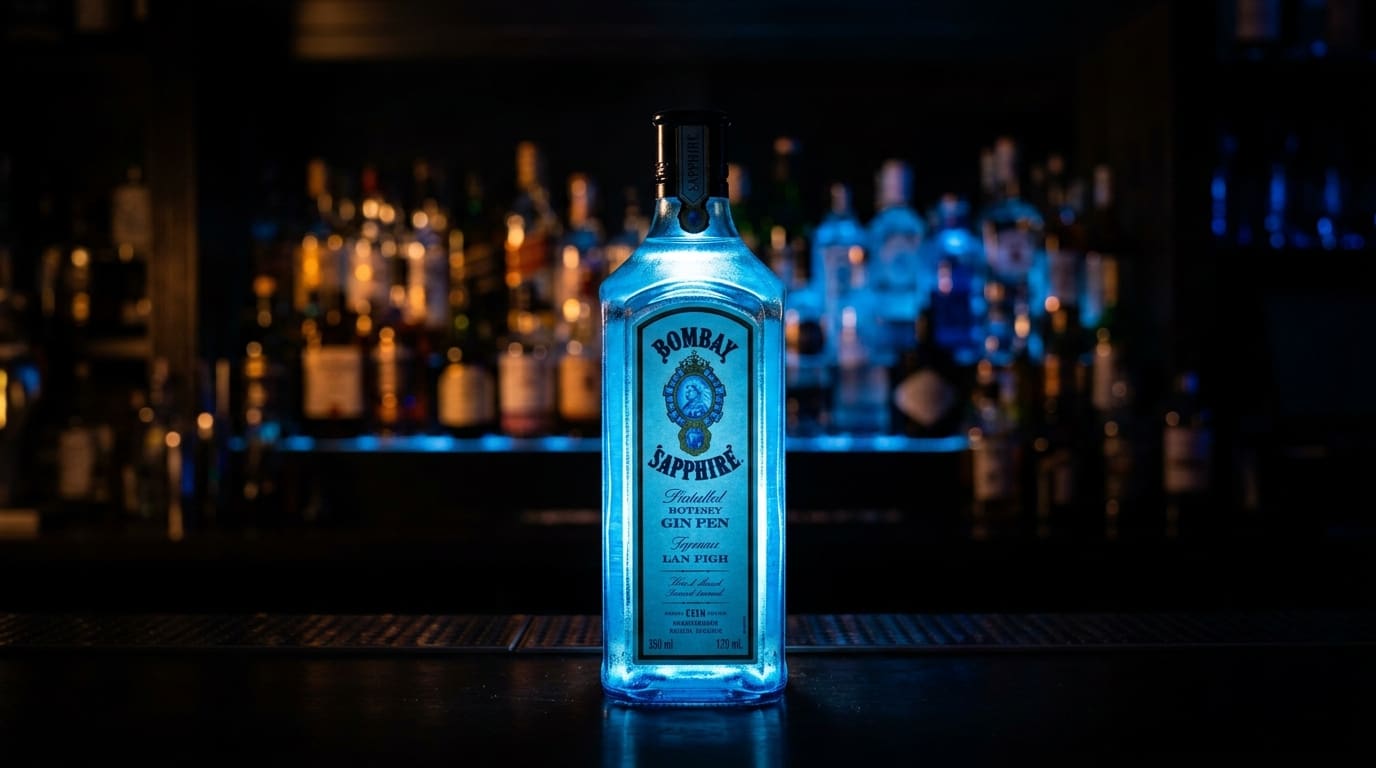
The bottle is the brand. Designed in 1987 by Hugh Williams, the embossed label and sapphire-blue glass were a deliberate break from clear-bottle gin. It worked. By the late 90s, Bombay Sapphire was the gin people ordered when they wanted to look like they knew gin.
The Sapphire Premium expression (47% ABV) comes in a clear glass bottle and is positioned higher up the price ladder. Most bars still pour the standard 40% blue bottle as their well gin or call gin.
Best cocktails to make with Bombay Sapphire
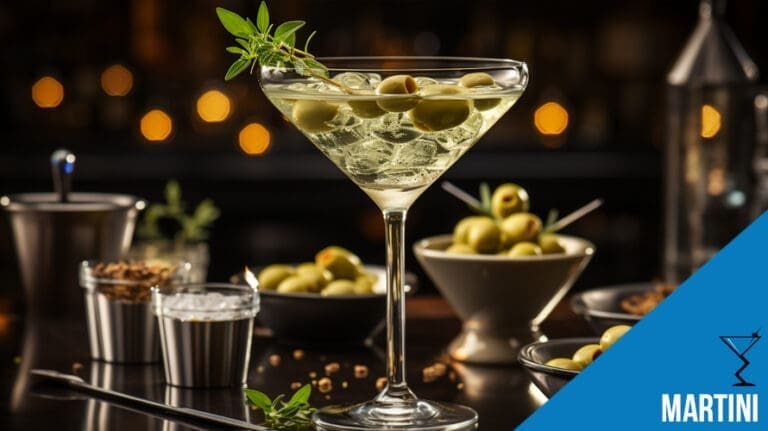
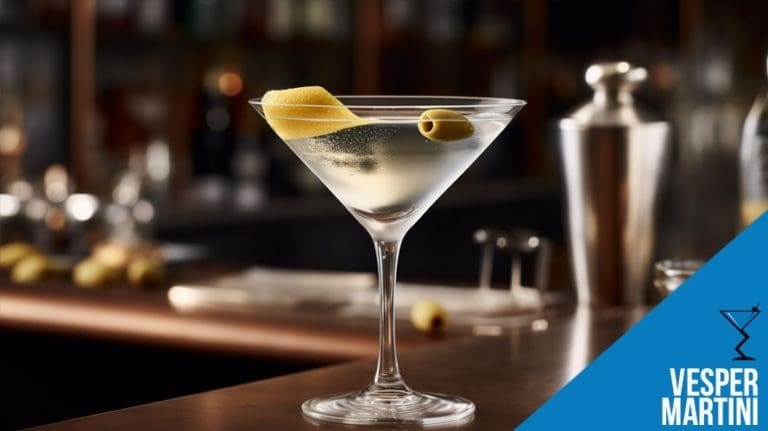
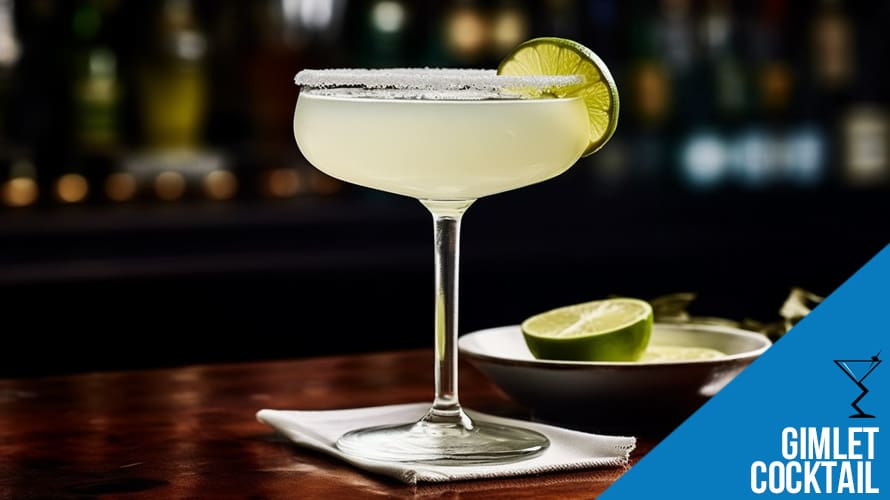
Bombay Sapphire is happy in pretty much any classic gin cocktail. It works particularly well anywhere the botanicals get to do work (Negroni, Martini, gin and tonic). Don’t waste it in a Long Island Iced Tea or anything where the gin gets buried under sweet syrups, you won’t taste the difference and you’ve spent money for nothing.







How it stacks up
How Bombay Sapphire compares to other London Dry gins on the back bar. Click any name to see the full Bottle Library page (more brands launching weekly).
| Gin | Character | Best for |
|---|---|---|
| Bombay Sapphire | Balanced, citrus-pepper-almond, soft juniper | Negroni, Martini, gin and tonic, works almost everywhere |
| Tanqueray | Big juniper, drier, more traditional | Classic Martini, Tom Collins, French 75 |
| Beefeater | Aggressive juniper, lots of citrus, old-school | Negroni, Last Word, anything stirred and bitter |
| Hendrick's | Cucumber and rose forward, soft juniper | Cucumber gin and tonic, Garden Martini, summer drinks |
| Plymouth | Earthier, softer, more rooty | Sipping neat, classic vintage cocktails (Aviation, Bramble) |
| Bombay Sapphire Premium (47%) | Same profile but louder and more concentrated | Cocktails where the gin needs to push through extra dilution |
Substitutions and swaps
When a recipe calls for one gin and you have the other, here’s how they compare.
Use 1:1, no adjustments needed. The drink will be slightly softer on juniper but otherwise identical. Most bars don’t even tell you the difference.
Use 1:1. The drink will be a touch less aggressive, fine for most cocktails, slightly less authentic for old-school cocktails like the Tom Collins.
Substitute at 1:1 but consider adding a thin cucumber slice as garnish. You’ll lose the rose-and-cucumber character but the cocktail still works.
Add 2-3ml of simple syrup or sugar to mimic the sweetness Old Tom adds. Old Tom is a sweetened style of gin; Bombay is dry.
Bombay Sapphire is the safe default. It works in 95% of recipes.
You want a gin that disappears in a tonic. Tanqueray’s bigger juniper shows through better, Hendrick’s adds more obvious character.
You’re sipping neat. Bombay isn’t designed for it. Buy Plymouth, Beefeater 24, or a craft gin like Sipsmith VJOP for sipping.
You’re cooking a juniper-heavy gin recipe (gin-cured salmon, etc.), go for Tanqueray or any old-school heavy-juniper gin.
Where to buy Bombay Sapphire
Where to buy
Bombay Sapphire is one of the most widely-distributed gins on the planet. Any decent bottle shop or supermarket will stock the standard 40% bottle. The 47% Sapphire Premium is a step up the price ladder and harder to find outside specialist liquor stores.
Frequently Asked Questions
Direct answers to what people ask about Bombay Sapphire.
What is Bombay Sapphire gin?
Bombay Sapphire is a London Dry gin made by Bacardi Limited at Laverstoke Mill in Hampshire, England. It uses ten botanicals vapour-infused into the spirit (rather than the traditional steeping method) and has been bottled in its iconic sapphire-blue glass since 1987. Standard ABV is 40%; the Premium expression is 47%.
Is Bombay Sapphire a good gin?
Yes, for cocktails. It’s a balanced London Dry that works in almost every classic cocktail without dominating the drink. It’s not the best gin for sipping neat (Plymouth, Beefeater 24, or craft gins do that better) but it’s one of the best mixing gins for the price.
What does Bombay Sapphire taste like?
Clean juniper up front, peppery coriander and lemon peel in the middle, a soft almond and liquorice finish. Compared to Tanqueray it’s lighter on juniper. Compared to Hendrick’s it’s drier and more traditional. The two unusual botanicals, cubeb berries and grains of paradise, give it the warmth that makes it work in stirred drinks like the Negroni.
What’s the difference between Bombay Sapphire and Bombay Sapphire Premium?
Same botanical recipe, different proof. Standard Bombay Sapphire is 40% ABV; Bombay Sapphire Premium is 47% ABV. The Premium is louder, more concentrated, and stands up better to heavy dilution (long drinks, frozen cocktails). Standard is the better all-rounder.
Is Bombay Sapphire London Dry gin?
Yes. It’s classified as London Dry, meaning all flavouring must come from natural botanicals added during distillation, with no sweeteners or flavourings added afterwards. Bombay Sapphire qualifies despite being made in Hampshire. London Dry is a style designation, not a geographic one.
What cocktails should I make with Bombay Sapphire?
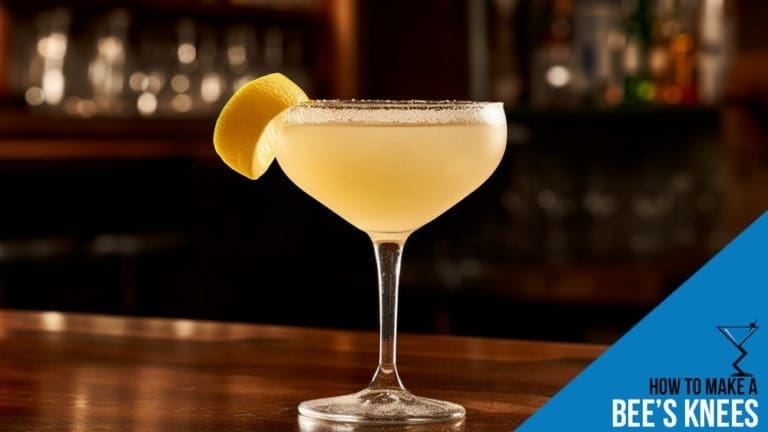
Negroni, Gin & Tonic, French 75, Martini (dry or wet), Aviation, Last Word, Bee’s Knees. Avoid drinks where the gin gets buried under sweet syrups, the botanical character is wasted in a Long Island Iced Tea or a fruit-heavy cocktail.
Why is Bombay Sapphire blue?
The blue is in the bottle, not the gin. The liquid is colourless. The cobalt-blue glass was a 1987 design choice by Hugh Williams to differentiate from competitor gins (most of which used clear glass). It worked, the bottle became the brand.
Who owns Bombay Sapphire?
Bacardi Limited. Bacardi acquired Bombay Sapphire from Diageo in 1998 and has owned and produced it ever since. The brand was originally launched by IDV in 1987.
How does Bombay Sapphire compare to Tanqueray?
Tanqueray is more aggressively juniper-forward and traditionally classic. Bombay Sapphire is softer, more aromatic, and more accessible to people who don’t already love gin. Both work in the same cocktails. Choose Tanqueray when the recipe wants juniper to dominate (Tom Collins, classic Martini); choose Bombay when you want a more balanced drink (Negroni, gin & tonic).
Is Bombay Sapphire vegan?
Yes. Bombay Sapphire is plant-based and contains no animal products in either the spirit or the production process. It’s confirmed vegan-friendly by Bacardi.