What it tastes like
Sweet from the wheat (most bourbons use rye for the second grain; Maker’s uses red winter wheat instead). Vanilla, caramel, soft baking-spice. No aggressive oak, no rye spice. The 45% ABV gives it just enough push.
Drinks beautifully neat or with one big rock. Drinks softer than bourbon traditionalists like, which is exactly why people who think they don’t like bourbon end up liking Maker’s.
How to drink it
Old Fashioned. The wheated softness pairs perfectly with sugar, bitters, and orange peel. This is the cocktail Maker’s was practically engineered for.
Also brilliant in a Mint Julep, Whiskey Sour, or with ginger ale. Avoid in spirit-forward stirred drinks where rye character matters; Maker’s is too sweet for a proper rye Manhattan.
Drink Buddy Exclusive
Tell us what's in your cabinet.
Our Cocktail Builder takes whatever bottles you've got and hands you every drink you can actually make tonight.
Open the Builder →Get the Drink Buddy newsletter
One drink, one tip, one Tuesday a month.
Plus the recipes we drop before they hit the site. Zero spam.
The wheated thing
Most bourbons use rye as the secondary grain. Maker’s uses red winter wheat. Wheat is softer and sweeter than rye, which is why Maker’s is softer and sweeter than most bourbons. Pappy Van Winkle uses the same wheated mashbill, which is partly why it’s worth thousands per bottle.
The recipe hasn’t changed since 1953. They make it slowly, age it for around 6 years, hand-dip every bottle in red wax. The cult around the brand is partly genuine quality, partly clever marketing of small-batch craft, partly the wax.
Maker’s Mark 46 and Cask Strength
Maker’s Mark 46 is the standard bourbon finished with seared French oak staves added to the barrel for extra months. Sweeter, oakier, slightly louder. Cask Strength is bottled at 54-58% (varies by batch) without dilution. Massive flavour, demands an ice cube. Both worth knowing if you love standard Maker’s.
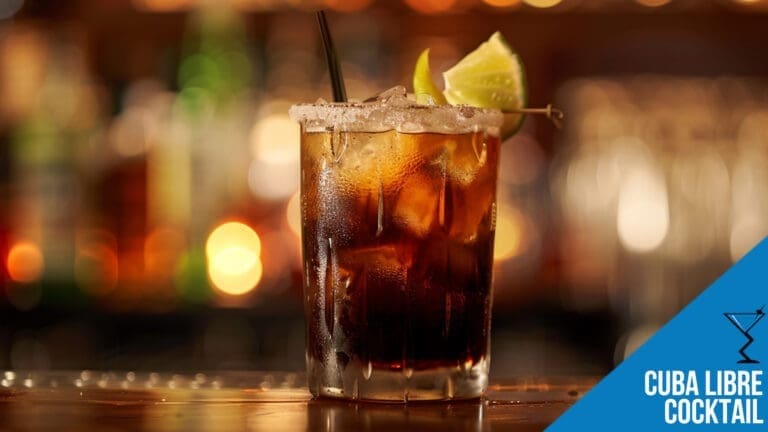
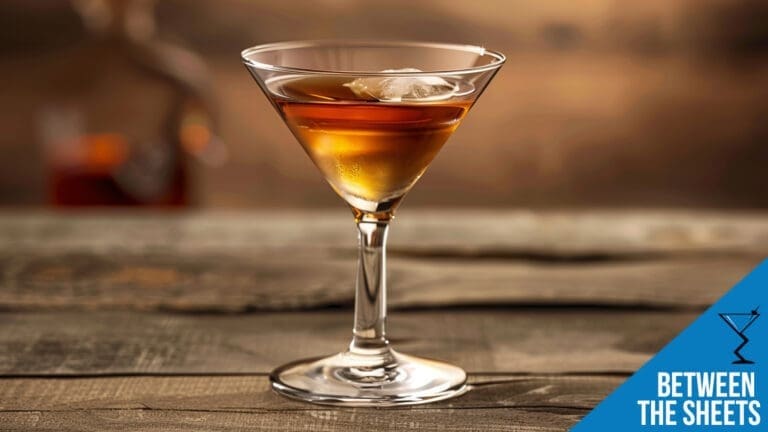
Best cocktails to make with Maker’s Mark
Maker’s is the bourbon to learn cocktails on. Forgiving, sweet, balanced.





How it stacks up
Maker’s compared to other entry and mid-tier bourbons.
| Bourbon | Character | Best for |
|---|---|---|
| Maker's Mark | Wheated, soft, sweet, balanced | Old Fashioned, Mint Julep, sipping |
| Buffalo Trace | Higher-rye, more spice, balanced | Manhattan, Old Fashioned, all classics |
| Bulleit Bourbon | High-rye, drier, spicier | Manhattan, Sazerac, spirit-forward |
| Wild Turkey 101 | Higher proof (50.5%), louder | Cocktails that need volume |
| Knob Creek | Higher proof, oakier | Sipping, premium Old Fashioned |
Substitutions and swaps
Maker’s softness makes it forgiving but limits its range.
Maker’s works almost everywhere. The drink will skew sweeter than with a rye-led bourbon.
Maker’s is the wrong choice. Buy Bulleit Rye or Rittenhouse instead.
Maker’s is canonical. The other widely-available wheater is Larceny. W.L. Weller if you find it.
Maker’s Cask Strength (54-58% ABV). Same recipe, no dilution.
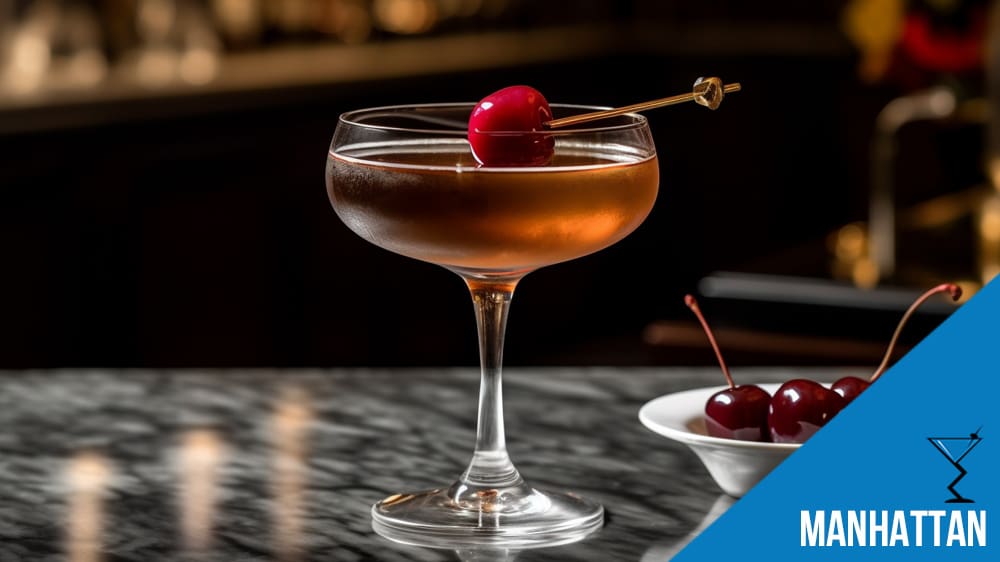
Maker’s makes a soft, drinkable Manhattan. Rye Manhattan is more ‘correct’ but less crowd-pleasing.
You want classic rye-Manhattan character. Maker’s is too soft. Use Bulleit Rye.
You want maximum volume and oak. Maker’s 46 or Knob Creek give you that. Standard Maker’s is intentionally gentle.
You’re on the tightest budget. Standard Buffalo Trace or Old Forester are similar quality at slightly less cost.
Where to buy Maker’s Mark
Where to buy
Maker’s Mark is widely distributed. The standard red-wax bottle is in any bottle shop. The 46 and Cask Strength expressions are at better liquor stores.
Frequently Asked Questions
Direct answers to what people ask about this bottle.
What is Maker’s Mark?
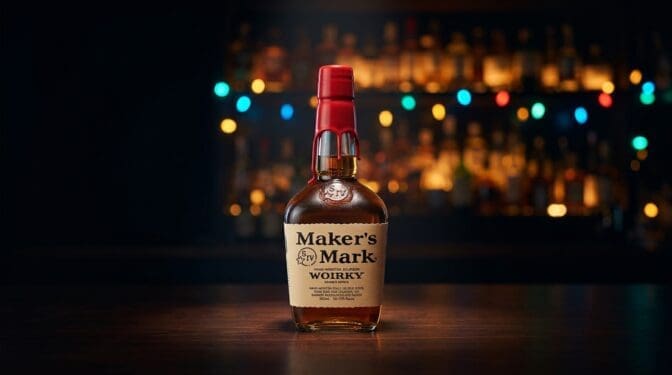
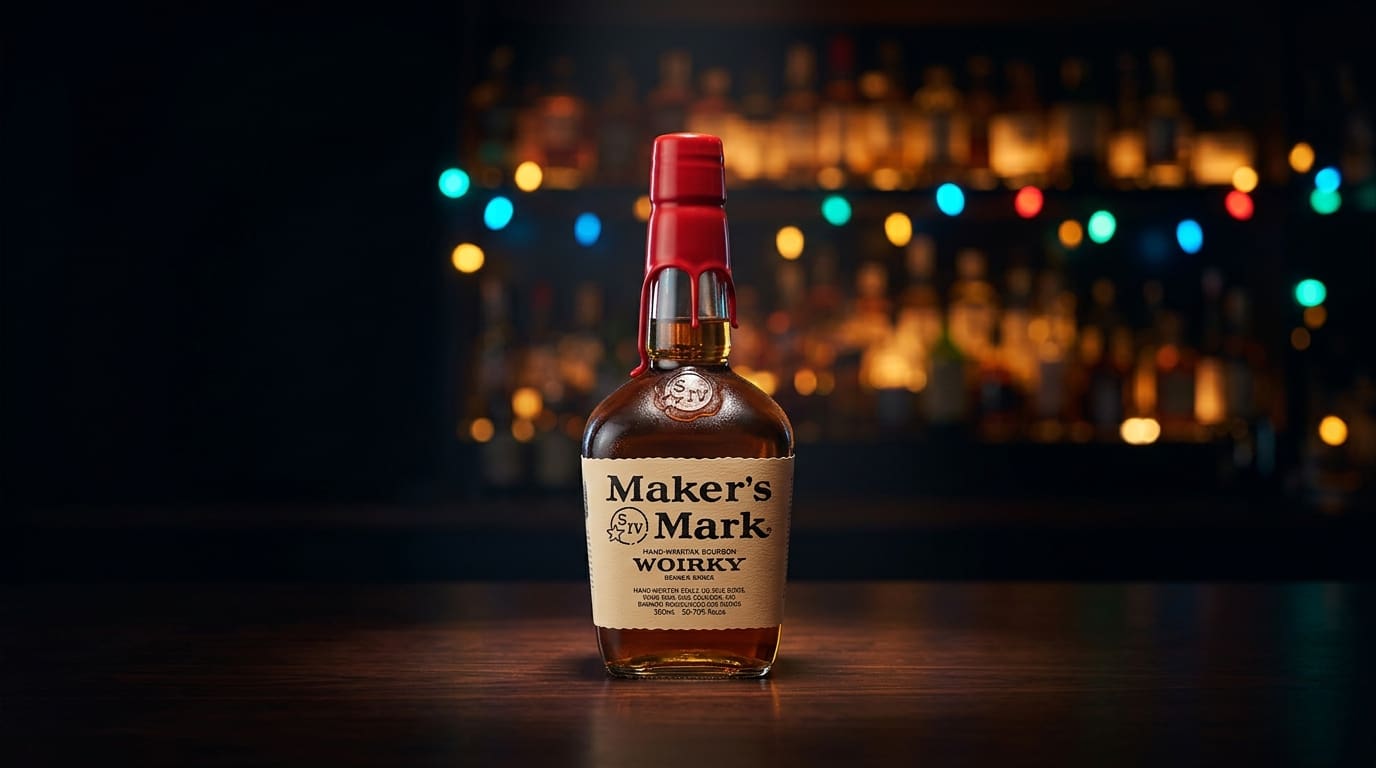
A wheated bourbon from Loretto, Kentucky, distilled by the Maker’s Mark Distillery (owned by Beam Suntory since 2014). Founded 1953. Bottled at 45% ABV. Famous for the red wax-dipped bottle.
Is Maker’s Mark a good bourbon?
Yes for sipping and for sweet bourbon cocktails (Old Fashioned, Mint Julep). The wheated mashbill makes it softer and more accessible than most bourbons.
What’s a wheated bourbon?
A bourbon that uses wheat as the secondary grain in the mashbill, instead of the more common rye. Wheat is softer and sweeter than rye, so wheated bourbons (Maker’s, Larceny, W.L. Weller, Pappy Van Winkle) drink smoother than rye-led bourbons (Bulleit, Buffalo Trace).
Maker’s Mark vs Buffalo Trace?
Maker’s is wheated (softer, sweeter). Buffalo Trace is rye-led (drier, slightly spicier). Both are widely loved entry-tier bourbons. Maker’s for soft cocktails and sipping; Buffalo Trace for everything else.
What’s the difference between Maker’s Mark and Maker’s 46?
Maker’s 46 is standard Maker’s with seared French oak staves added during finishing. Sweeter, more oak, more depth. About $5-10 more per bottle. Worth it for sipping.
Is Maker’s Mark expensive?
Mid-tier. Around $30-35 in the US, AU$60-70 in Australia. Less than premium bourbons (Knob Creek, Woodford Reserve), more than entry-level (Jim Beam, Old Forester).
Why is Maker’s hand-dipped in wax?
Bill Samuels Sr. (the founder) wanted his bottles to look distinctive on bar shelves. Margie Samuels (his wife) suggested wax. The dipping is still done by hand at the distillery. Half quality, half marketing, all iconic.
Is Maker’s Mark gluten-free?
Yes. Distillation removes gluten from the grain. Confirmed by Beam Suntory.