The gin and tonic is simple perfection, just two ingredients. Which is why the difference between an average G&T and an exceptional one is entirely in execution. This collection covers every variation, from the classic on-the-rocks pour to the elaborate Spanish copa-de-balon botanicals.
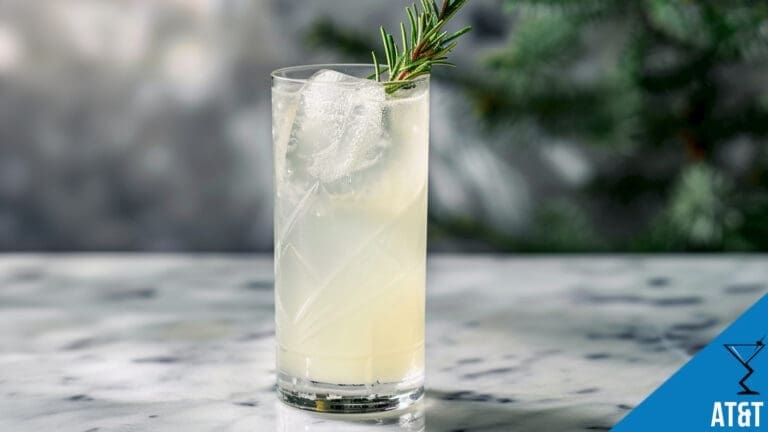
Inside: Classic Gin & Tonic (dry London gin, premium tonic, lime wedge), Pink Gin & Tonic (pink gin, tonic, grapefruit wedge), Spanish Gin & Tonic (giant balloon glass, juniper berries, orange peel, cardamom), Cucumber Gin & Tonic (Hendrick’s style with cucumber ribbons), Rhubarb Gin & Tonic (seasonal pink-and-red), Rosemary Gin & Tonic (herbal, elegant), Elderflower Gin & Tonic, and Skinny Gin & Tonic (diet tonic, fresh lime, no added sugar).
Plus every flavoured-gin variation: raspberry, blackberry, blood orange, strawberry, violet. The gin and tonic you’re looking for is in here.
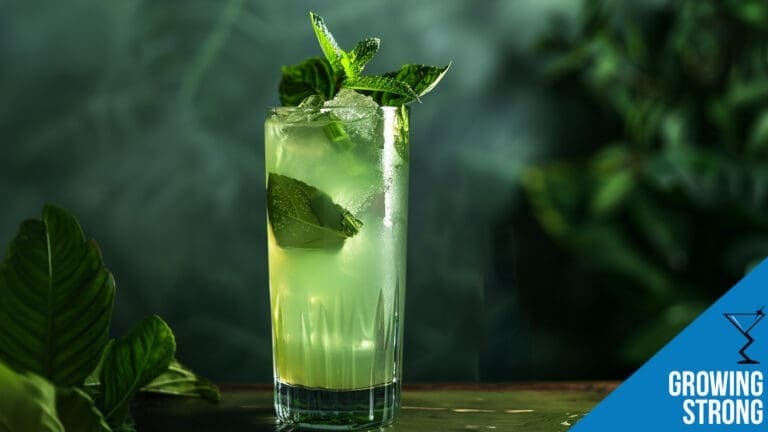
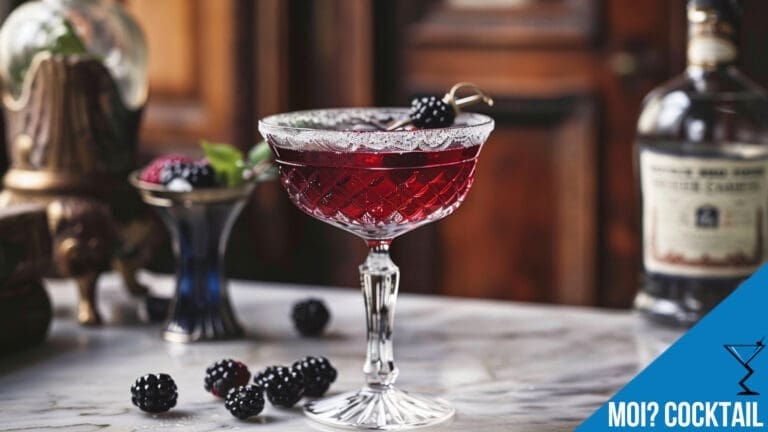
All Gin and Tonic Recipes (with photos)



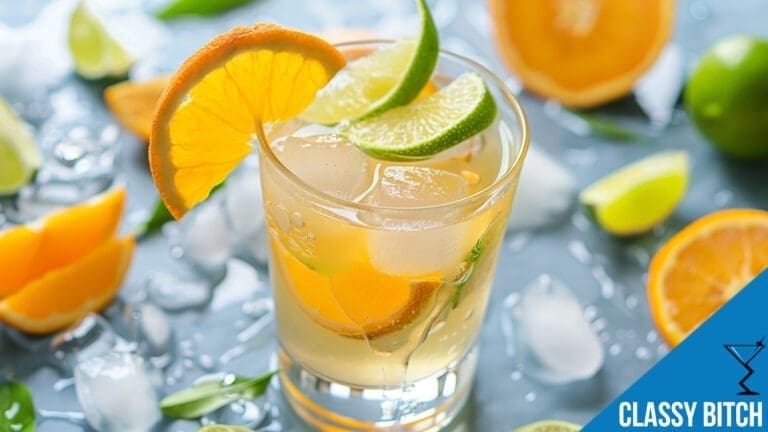
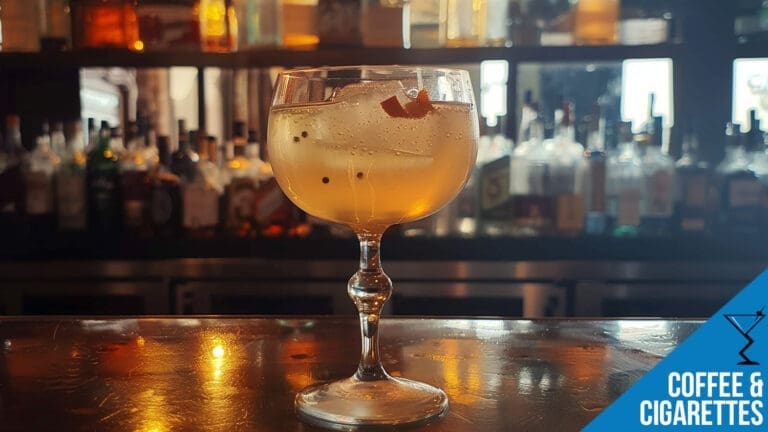


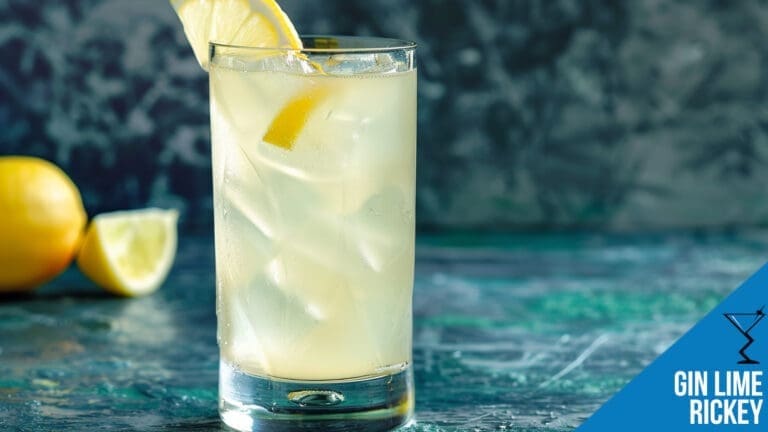
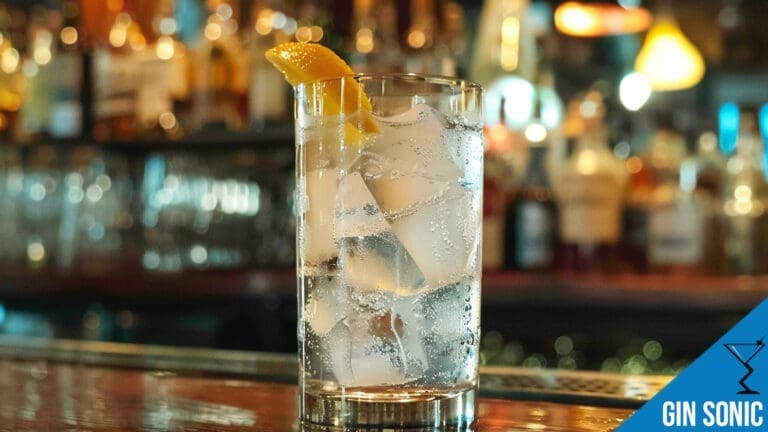



More Gin and Tonic Recipes (no photos)
Gin and Tonic, Done Right
Gin-to-tonic ratio: 1 part gin to 3 parts tonic is classic. 1:2 if you want it stronger. Never 1:1 (too boozy) or 1:4 (too weak).
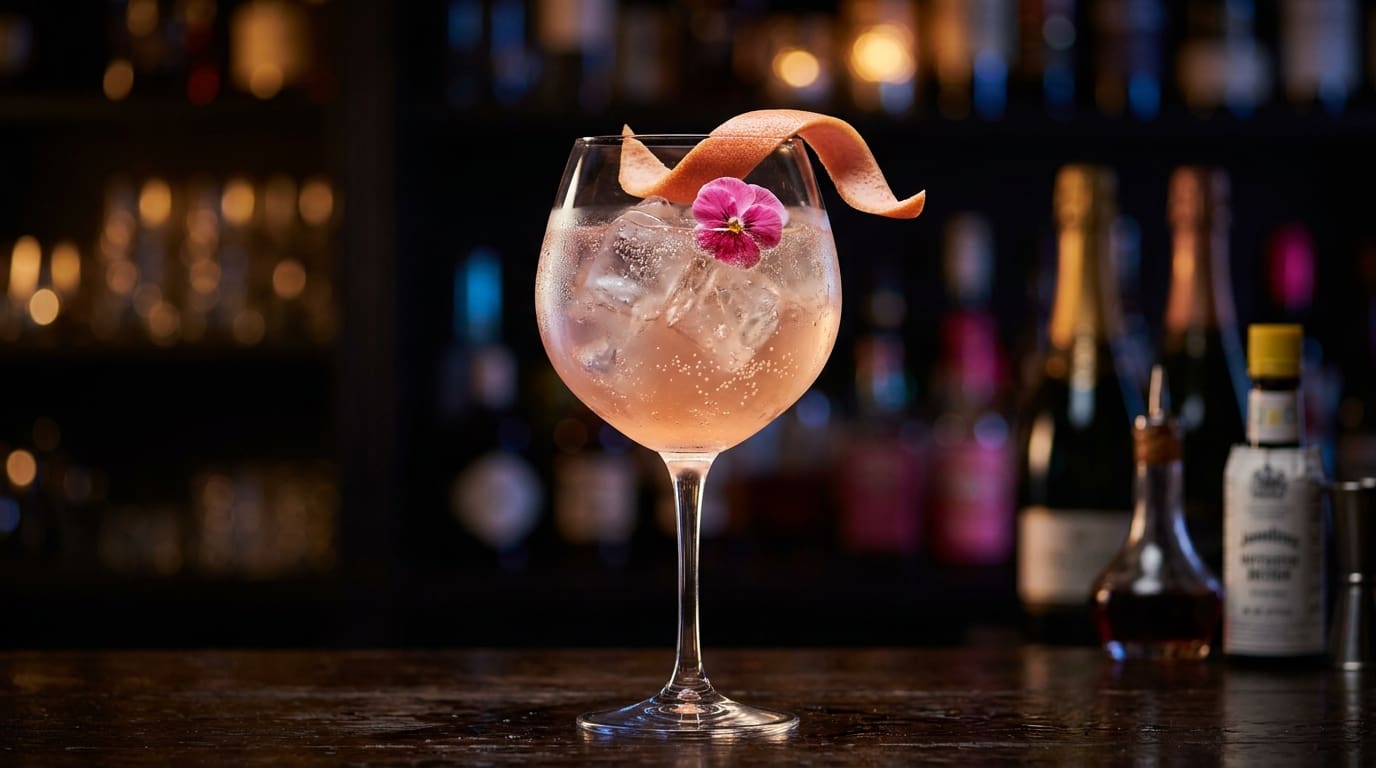
Glass: copa-de-balon (big balloon stem) is the Spanish way. A highball works fine. A short rocks glass is wrong.
Ice: fill the glass with ice FIRST, then pour gin, then tonic. Big cubes melt slower.
Garnish: matches the gin’s botanical profile. Classic London Dry = lime. Hendrick’s = cucumber. Pink gin = grapefruit. Tanqueray 10 = orange. Bombay Sapphire = lemon.
Tonic: Fever-Tree, Q, or Schweppes Premium. Supermarket brand tonic will ruin a good gin.