Ingredients
- .5 oz Triple Sec
- 1.5 oz Orange Juice
- 3.5 oz Champagne
Instructions
- Build the ingredients in order in a champagne flute.
- Garnish with an orange slice.
Estimated Nutrition:
Where it came from
The Mimosa was created at the Hotel Ritz Paris in 1925 by bartender Frank Meier. It's essentially identical to the Buck's Fizz, which was invented four years earlier at the Buck's Club in London. The Mimosa is half-and-half; the Buck's Fizz is two parts champagne to one part orange juice. Otherwise the same drink.
It went global in the 1970s and 1980s with the rise of brunch culture. By 2000 it was the default drink for any meal that started before noon and involved someone wearing pyjamas under a blazer.
What it tastes like
Bright, fizzy, slightly sweet, with a clean orange flavour and the dryness of the wine cutting through. Drinks like sparkling orange juice and is meant to.
Quality of the orange juice matters more than quality of the champagne. Fresh-squeezed orange juice and a cheap brut prosecco beats supermarket orange juice and a 50-dollar champagne every time.
The technique
Pour 75ml chilled orange juice into a flute. Slowly top with 75ml chilled brut champagne or prosecco. Pour the wine slowly down the side of the glass to preserve the bubbles. Don't stir.
Use cold ingredients and a chilled flute. Warm orange juice flattens the bubbles. Chilled juice keeps the whole drink lively.
Drink Buddy Exclusive
Tell us what's in your cabinet.
Our Cocktail Builder takes whatever bottles you've got and hands you every drink you can actually make tonight.
Get the Drink Buddy newsletter
One drink, one tip, one Tuesday a month.
Plus the recipes we drop before they hit the site. Zero spam.
Ingredient Spotlight
The bottles that make or break this drink.
The wine
- Use
- Brut champagne, prosecco DOC, cava, or any dry sparkling wine
- Skip
- Sweet sparkling wine (Asti, Moscato) or expensive vintage champagne
- Why
- Dry sparkling wine balances the orange juice. Sweet wine doubles the sugar. Vintage champagne is a waste.
The orange juice
- Use
- Fresh-squeezed orange juice (or fresh-pressed from the chilled section)
- Skip
- From-concentrate juice or orange drink
- Why
- Fresh orange juice is bright and lively. Concentrate is flat and sweet.
The temperature
- Use
- Both ingredients fridge-cold, glass chilled if possible
- Skip
- Warm or room-temperature ingredients
- Why
- Cold preserves the bubbles. Warm ingredients flatten the wine instantly.
Variations
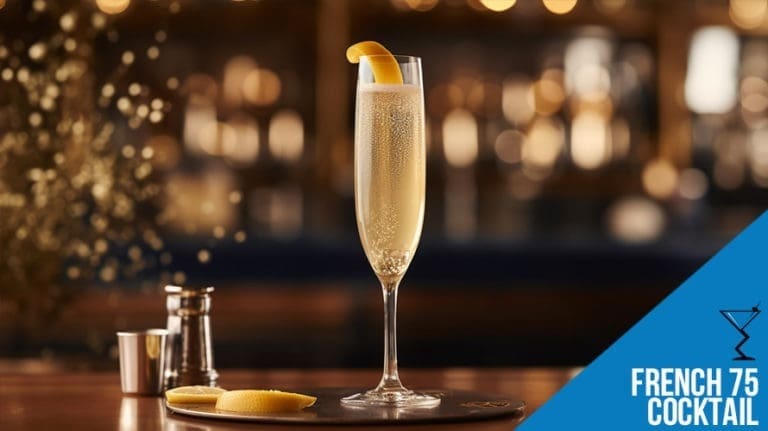
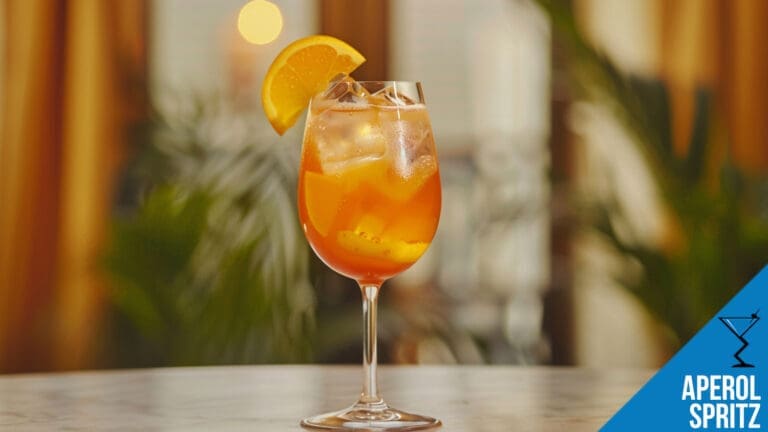
Other champagne-based brunch drinks for slow Sundays.



What if I don't have…
Quick substitutions for when the bottle shop is closed.
Prosecco, cava, or any dry sparkling wine. Cremant is excellent. Avoid sweet sparkling wine like Asti unless you want it candy-sweet.
Grapefruit juice (different drink, called a Hemingway). Pomegranate juice (closer to a Kir Royale).
Add a 15ml splash of Grand Marnier or triple sec. Now it's a Grand Mimosa.
Use 60ml champagne to 30ml juice. Drier, more wine-forward.
Use sparkling water or non-alcoholic prosecco (Lyre's, French Bloom). Add a splash of bitters for complexity.
Frequently Asked Questions
Direct answers to what people search for after Googling this drink.
What is in a Mimosa?
Half champagne, half orange juice. Standard pour: 75ml chilled brut champagne and 75ml chilled fresh orange juice in a flute.
How do you make a Mimosa?
Pour 75ml cold orange juice into a chilled flute. Slowly top with 75ml chilled brut champagne, pouring down the side of the glass. Don't stir.
Where did the Mimosa come from?
The Hotel Ritz Paris in 1925, invented by bartender Frank Meier. It's nearly identical to the Buck's Fizz (two parts champagne to one part juice), which was created in London in 1921.
Mimosa vs Buck's Fizz?
Same drink, different ratio. Mimosa is 1:1 (half champagne, half juice). Buck's Fizz is 2:1 (twice as much champagne as juice). The Mimosa drinks lighter and softer.
What champagne is best for a Mimosa?
A cheap brut. Don't waste vintage champagne in a Mimosa. Prosecco DOC or cava are perfect substitutes and cost less. Aim for dry, not sweet.
Should I shake a Mimosa?
No. Shaking destroys the bubbles. Build directly in the flute, juice first, wine second, slowly down the side.
How strong is a Mimosa?
Around 6 to 7 percent ABV in the flute. Half the strength of straight wine. Bottomless brunch math is dangerous because volume adds up.
Why is fresh orange juice better?
Fresh orange juice has bright acid and aroma. Concentrate is heated, oxidised, and tastes flat. The drink has only two ingredients; both should be good.
What glass should I use?
A flute or a coupe. Flutes preserve bubbles longer. Coupes are more elegant. Both are correct.
Can a Mimosa be made ahead of time?
No. The wine goes flat almost immediately. You can prep the orange juice in a jug ahead of time, but pour the wine to order.
More Like This
More cocktails for the start of the day or the front end of dinner.