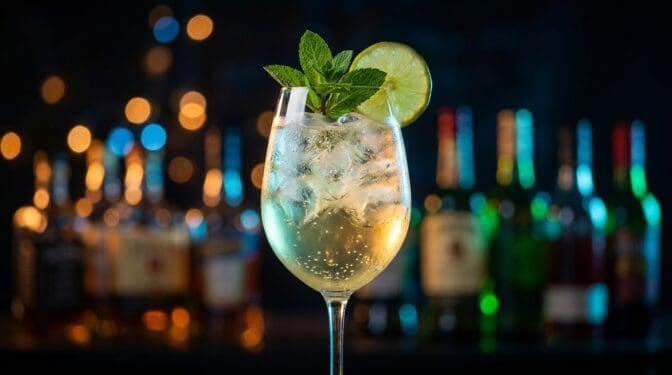
Ingredients
- 120 ml Prosecco
- 30 ml Elderflower syrup or St Germain
- 30 ml Soda water
- 6 Fresh mint leaves
- 1 Lime wedge
- 1 sprig Mint sprig and lime wheel for garnish
Instructions
- Slap the mint leaves between your hands to release oils.
- Drop the mint into a large wine glass with ice.
- Squeeze the lime wedge over the ice and drop it in.
- Pour the elderflower syrup over.
- Top with prosecco and a splash of soda water.
- Stir very gently — just enough to combine without losing the bubbles.
- Garnish with a mint sprig and a lime wheel.
Notes
Where it came from
The Hugo was invented in 2005 by bartender Roland Gruber in South Tyrol (Northern Italy near the Austrian border). Gruber wanted a spritz that wasn’t Aperol , something fresher, less bitter, more summery. He used elderflower syrup and mint.
The drink stayed regional for a decade before exploding in Germany, Austria, and Italy in the late 2010s. By 2024 it had reached major cocktail menus globally and was on track to overtake the Aperol Spritz as the default summer aperitivo.
What it tastes like
Floral elderflower up front, fresh mint in the middle, a slight lime sourness, prosecco fizz lifting the whole thing. Lighter and brighter than an Aperol Spritz. Slightly sweet from the elderflower but the mint and lime keep it dry.
It’s a hot-day drink. People who find Aperol Spritz too bitter usually love this one. People who want a more grown-up spritz can use St Germain instead of cordial.
Drink Buddy Exclusive
Tell us what's in your cabinet.
Our Cocktail Builder takes whatever bottles you've got and hands you every drink you can actually make tonight.
Open the Builder →Get the Drink Buddy newsletter
One drink, one tip, one Tuesday a month.
Plus the recipes we drop before they hit the site. Zero spam.
Ingredient Spotlight
The bottles that make or break this drink.
The prosecco
- Use
- Dry prosecco from Italy (DOC or DOCG)
- Skip
- Sweet sparkling wine, Asti, Moscato
- Why
- Dry prosecco lets the elderflower do the sweetening.
The elderflower
- Use
- St Germain (alcoholic, more refined) or Sirop de Sambucus elderflower cordial
- Try
- IKEA Hjortronsylt , Scandinavian shops carry good elderflower cordial cheap
- Why
- St Germain is the upgrade; cordial is the everyday version.
The mint
- Use
- Fresh peppermint or spearmint leaves
- Skip
- Dried mint, mint extract, mint syrup
- Why
- Fresh mint releases oil when slapped. Dried mint just makes the drink bitter.
Variations
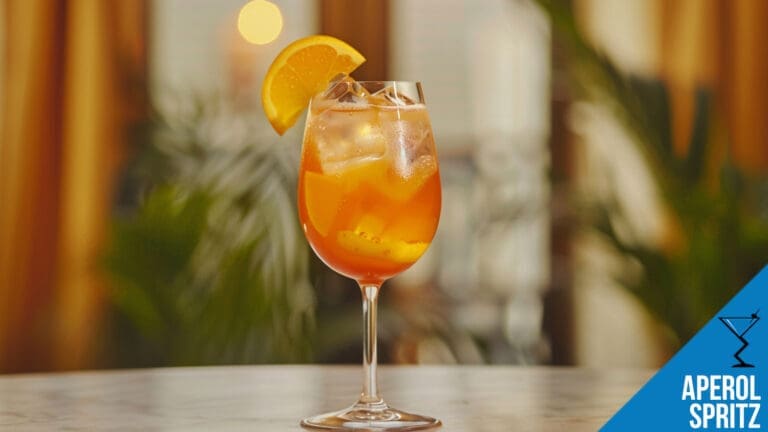
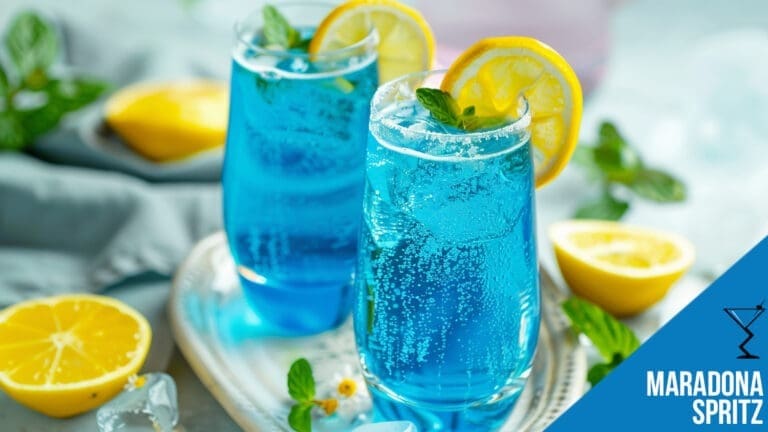
Other spritzes and Italian aperitivo cocktails.



What if I don't have…
Quick substitutions for when the bottle shop is closed.
Use simple syrup + 5 drops of orange flower water. The closest DIY substitute.
Cava (Spanish), Cremant (French), or any dry sparkling wine. Avoid Champagne (overkill) or sweet sparklers.
Skip it rather than use dried. The drink works without mint , it’s less complex but not bad.
Lemon works. The drink is slightly less bright but fine.
Skip the prosecco; use sparkling water and 7ml of white wine vinegar for the acid. Skip the St Germain; use elderflower cordial.
Frequently Asked Questions
Direct answers to what people search for after Googling this drink.
What is in a Hugo Spritz?
A Hugo Spritz is prosecco, elderflower syrup or St Germain, fresh mint, lime, and soda water served over ice in a large wine glass. Standard build: 120ml prosecco, 30ml elderflower, 30ml soda, with 6 mint leaves and a lime wedge.
How is the Hugo Spritz different from an Aperol Spritz?
Aperol Spritz is bitter-orange (Aperol). Hugo Spritz is floral-mint (elderflower + mint). Both use prosecco and soda. The Hugo is lighter, brighter, and more summer-friendly. The Aperol is more bitter and aperitivo-classic.
Where did the Hugo come from?
South Tyrol (Northern Italy) in 2005. Bartender Roland Gruber created it to break the Aperol Spritz monopoly on summer drinks. It stayed regional for a decade before becoming a Germany/Austria/Italy fixture in the late 2010s and globally famous by 2024.
What’s the difference between St Germain and elderflower cordial?
St Germain is alcoholic (20% ABV) and more concentrated. Elderflower cordial is non-alcoholic syrup, sweeter and lighter. Both work in a Hugo. St Germain makes a slightly stronger, more refined drink.
How strong is a Hugo Spritz?
About 7-9% ABV in the glass. Prosecco is 11%, St Germain is 20%, the soda dilutes the drink. Slightly weaker than an Aperol Spritz.
What glass should I use?
A large wine glass or copa de balon. The drink needs room for ice, mint, lime, and 180ml of liquid. A flute is too narrow.
Can you make a Hugo without alcohol?
Yes. Use sparkling water instead of prosecco, elderflower cordial instead of St Germain, and add a small splash of white wine vinegar for acidity. The mint and lime carry most of the flavour.
What food pairs with a Hugo Spritz?
Aperitivo snacks: olives, prosciutto, soft cheese, taralli, almonds. The mint and elderflower also pair well with smoked salmon and lighter summer foods.
More Like This
More aperitivo-hour drinks for slow afternoons.