
Equipment
- Hurricane Glass
- Basic Bar Tools
Ingredients
- 1 oz Vodka
- 1 oz Blue Curacao Liqueur
- top with Lemonade
- 1 Cherry
Instructions
Prepare the Glass:
- Start by chilling a hurricane glass in the freezer. This will keep your drink cold and refreshing for longer.
Combine the Ingredients:
- Pour 1 oz of vodka into the hurricane glass. Vodka provides a neutral base that allows the flavors and colors of the other ingredients to shine.
- Add 1 oz of blue curacao. This liqueur not only contributes to the cocktail's vibrant blue color but also adds a sweet, citrusy flavor.
Top with Lemonade:
- Fill the rest of the glass with lemonade. The lemonade adds a refreshing, tangy sweetness that complements the vodka and blue curacao perfectly.
Add Ice:
- Fill the glass with ice cubes to keep the cocktail chilled. The ice also helps to blend the flavors as it melts slightly.
Garnish and Serve:
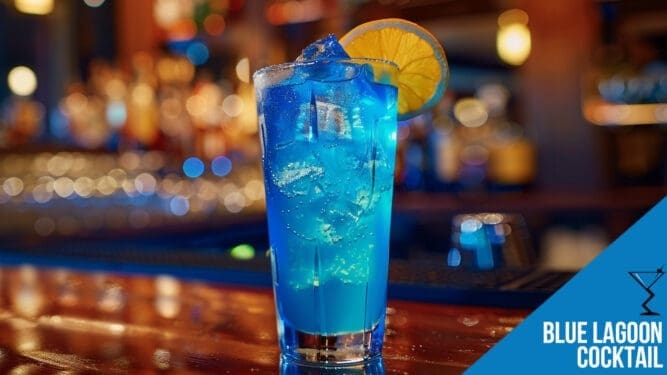
- Garnish with a cherry on top. The cherry adds a pop of color that contrasts beautifully with the electric blue of the drink.
- Serve immediately and enjoy.
Video
Notes
Estimated Nutrition:
Where it came from
The Blue Lagoon is often credited to Andy MacElhone at Harry's New York Bar in Paris, reportedly created in the late 1960s or early 1970s. It emerged during an era when vodka and brightly colored liqueurs were gaining popularity, reflecting a shift towards more visually striking and accessible cocktails.
This drink falls squarely into the highball family, a simple combination of a base spirit and a non-alcoholic mixer. It's essentially a vodka lemonade with the distinctive addition of blue curaçao, which sets it apart from its clear cousins like a standard vodka soda or vodka lemonade by its vibrant hue and subtle orange note.
You'd typically find a Blue Lagoon gracing the menus of resort bars, casual restaurants, or pool decks. It's a quintessential vacation drink, perfect for relaxed settings where the emphasis is on easy enjoyment and a splash of visual flair rather than serious mixology.
What it tastes like
The flavor profile of a Blue Lagoon Cocktail Recipe is primarily sweet and citrus-forward, driven by the lemonade and the orange notes from the blue curaçao. Vodka provides a clean, neutral base, allowing the other ingredients to shine without much interference. It's a refreshing, easy-drinking cocktail with a distinct tropical, yet familiar, appeal.
With 1.5 ounces of 40% ABV vodka and 0.75 ounces of 21% ABV blue curaçao in roughly 6.25 ounces of total liquid, this drink clocks in around 12% ABV. That makes it roughly two to three times as strong as a typical 5% ABV beer, so treat it with the respect it deserves, especially on a hot day.
The technique
Building a Blue Lagoon is as simple as it gets. Fill a highball glass with fresh ice. Pour in the vodka, then the blue curaçao. Top it off with lemonade. Give it a gentle stir to combine the ingredients without over-diluting, then add your chosen garnish. It's a quick, no-fuss build that's ready to serve in seconds.
The one technique tip that matters most for this drink is to use plenty of fresh, solid ice. Good ice keeps the drink cold, chills it quickly, and dilutes slowly, preventing a watery, bland cocktail. Don't skimp on the cubes or use slushy ice.
Ingredient Spotlight
The bottles that make or break this drink.
Vodka
- Use
- A good quality, neutral vodka. Brands like Tito's, Ketel One, or Absolut work well. You want a clean canvas.
- Skip
- Cheap, harsh vodkas that will introduce an alcoholic bite. Avoid flavored vodkas unless you are deliberately creating a variation.
- Why
- As the primary spirit, it forms the backbone of the drink. Its neutrality allows the blue curaçao and lemonade to define the flavor.
Blue Curaçao
- Use
- A reputable brand of blue curaçao, like Bols, Senior, or DeKuyper. It's an orange liqueur with added blue coloring.
- Skip
- Generic blue syrups or artificially flavored concoctions that lack the actual orange liqueur base. These will miss the flavor mark.
- Why
- This ingredient is essential for both the iconic blue color and the distinct sweet orange flavor that makes the Blue Lagoon what it is.
Three Variations
Three real ways bartenders riff on this drink.
Frozen Blue Lagoon
- The ultimate poolside refresher.
- Combine all ingredients with a scoop of ice in a blender and process until smooth. Serve in a chilled hurricane or highball glass.
Deep Blue Sea
- Add some sparkle to your lagoon.
- After combining vodka and blue curaçao, top with equal parts lemonade and sparkling water or club soda for a lighter, fizzier drink.
Blue Raspberry Lagoon
- A fruity twist on the classic.
- Swap out half an ounce of the vodka for a raspberry-flavored vodka or add a splash of raspberry liqueur for an extra berry punch.
What if I don't have…
Quick substitutions for when the bottle shop is closed.
Light rum or gin will work as a substitute, but be aware the flavor profile will shift, especially with gin's botanicals.
Use triple sec and a drop of blue food coloring if the color is paramount. Otherwise, it just becomes a vodka lemonade with an orange hint.
Combine fresh lemon juice with simple syrup and top with soda water for a homemade lemonade effect.
Any tall glass, like a pint glass or even a large tumbler, will do the job in a pinch. Presentation might suffer slightly.
Frequently Asked Questions
Direct answers to what people search for after Googling this drink.
What is in a Blue Lagoon Cocktail Recipe?
A Blue Lagoon typically contains vodka, blue curaçao, and lemonade. It's often garnished with a lemon slice and a maraschino cherry.
Why is the Blue Lagoon blue?
The vibrant blue color comes from blue curaçao, which is an orange-flavored liqueur that has been artificially colored blue.
Is Blue Curaçao alcoholic?
Yes, blue curaçao is an alcoholic liqueur, typically ranging from 15% to 25% alcohol by volume, depending on the brand.
What does a Blue Lagoon taste like?
It tastes sweet and refreshingly citrusy, with a subtle orange flavor from the blue curaçao. It's an easy-drinking, fruity cocktail.
Is the Blue Lagoon a strong drink?
It's a moderately strong drink, usually around 12% ABV. It's comparable in strength to a glass of wine, so enjoy it responsibly.
What's the best way to garnish a Blue Lagoon?
A classic garnish is a lemon wheel or wedge, often paired with a maraschino cherry to add a contrasting pop of red.
Can I make a non-alcoholic Blue Lagoon?
Absolutely. Replace the vodka with water or a non-alcoholic spirit, and use a blue non-alcoholic syrup in place of blue curaçao, then top with lemonade.
Is the Blue Lagoon a classic cocktail?
Yes, it's considered a popular classic, especially recognized for its distinctive color and approachable flavor, dating back to the late 1960s or early 1970s.
More Like This
More drinks in the same family.