Glassware 101: Which Cocktail Glass for Which Drink
The glass you pour into changes how a cocktail tastes. Seven shapes every home bar needs, what each is for, and how to build a starter collection for under $100.
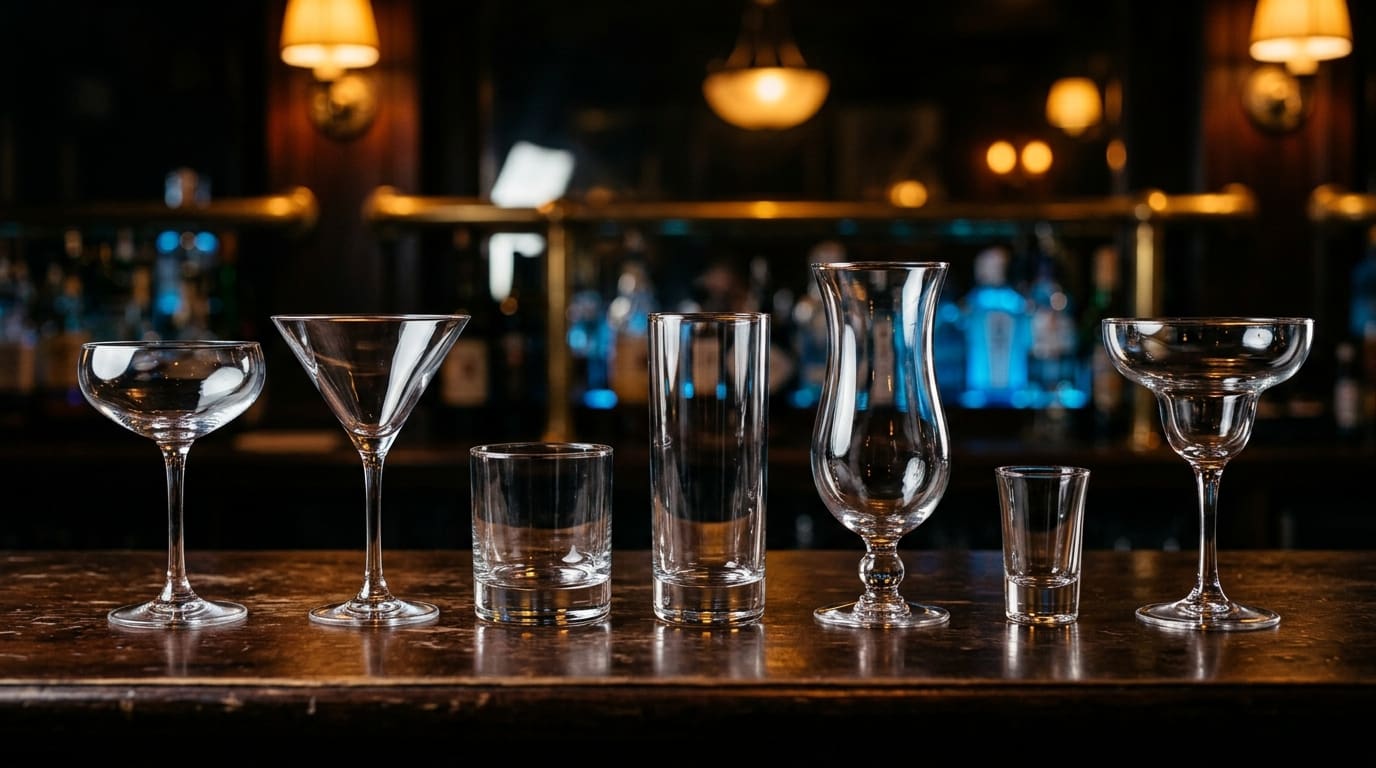
The glass matters more than you think. Same cocktail in a coupe vs a rocks glass drinks differently because the shape changes your nose-to-lip distance, how fast the drink warms, and how the aromatic oils reach your face. Here are the seven shapes worth owning, what each is for, and how to buy them without going broke.
The seven essential shapes
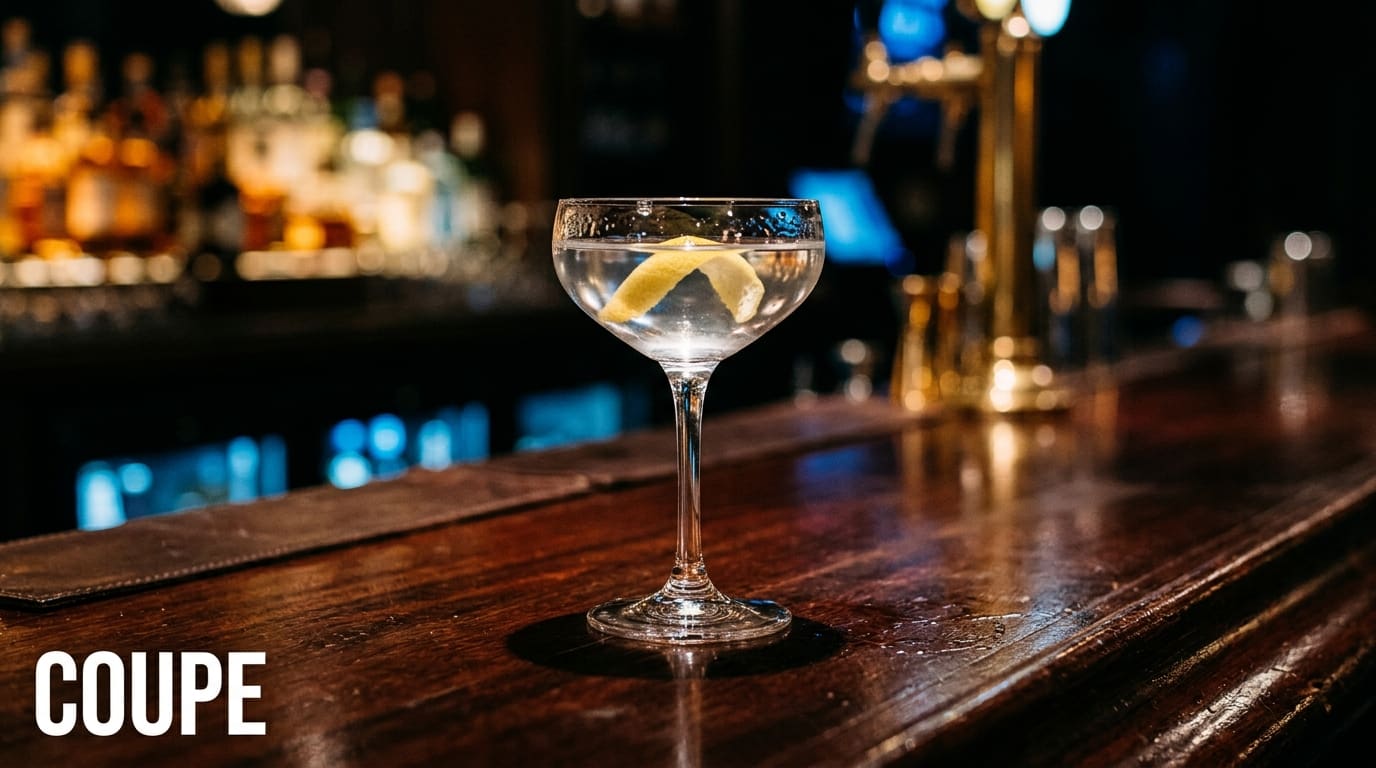
1. Coupe
The wide, shallow, stemmed glass. Capacity around 5 to 7 oz. The classic bar glass for stirred spirit-forward cocktails and shaken drinks served “up” (without ice).
Use for: Martinis, Filthy Martinis, Manhattans, Daiquiris, Sidecars, Whiskey Sours, Espresso Martinis.
A good coupe makes a cocktail look finished. It is the one glass you should own more of than any other. 4 to 6 coupes is a sensible home starter.
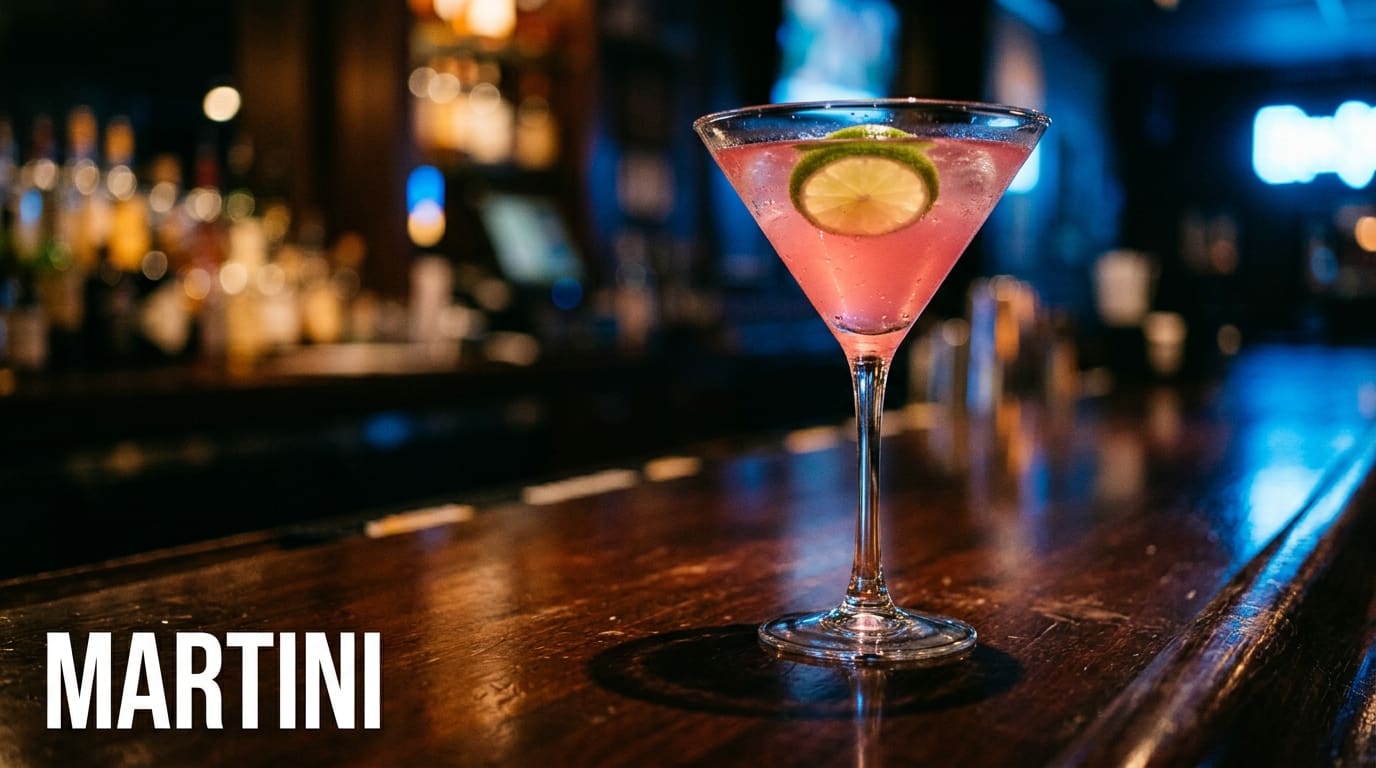
2. Martini Glass (V-shape)
The iconic conical glass on a long stem. Capacity 5 to 8 oz. Divisive among bartenders: looks classic, spills easily, concentrates aroma at the nose.
Use for: Martinis (if you want tradition over the coupe), Cosmopolitans, Appletinis.
Honestly, the coupe does the same job with less splashing. Most bars have switched to coupes for this reason.
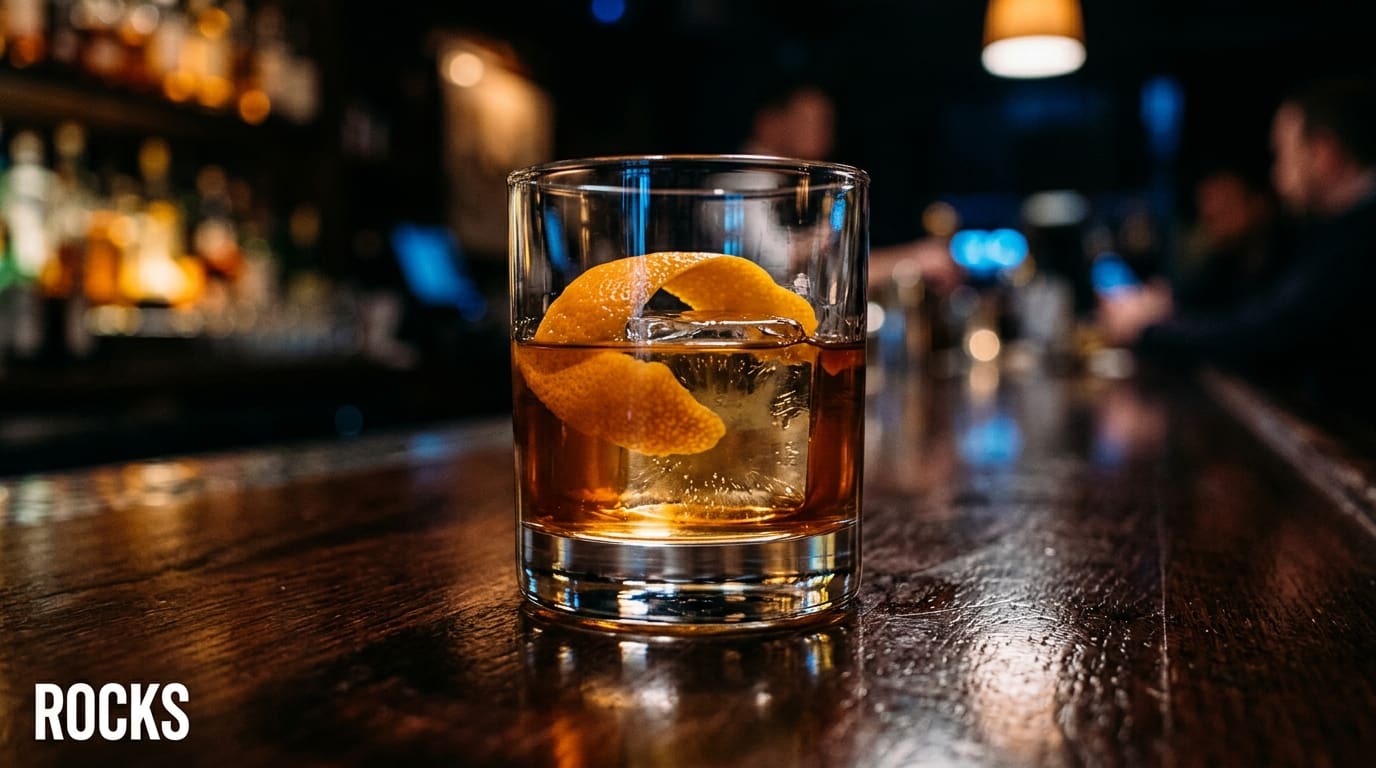
3. Rocks / Old Fashioned / Lowball
Short, heavy, flat-bottomed. Capacity 6 to 10 oz (single rocks) or 12 to 14 oz (double rocks). Built for drinks served over ice, especially spirit-forward cocktails where you want to nose the drink as you sip.
Use for: Old Fashioneds, Negronis on rocks, Boulevardiers, Whiskey Neat with a rock, Caipirinhas, Mezcal Old Fashioneds.
Buy the heaviest ones you can afford. The weight is 90% of the feel.
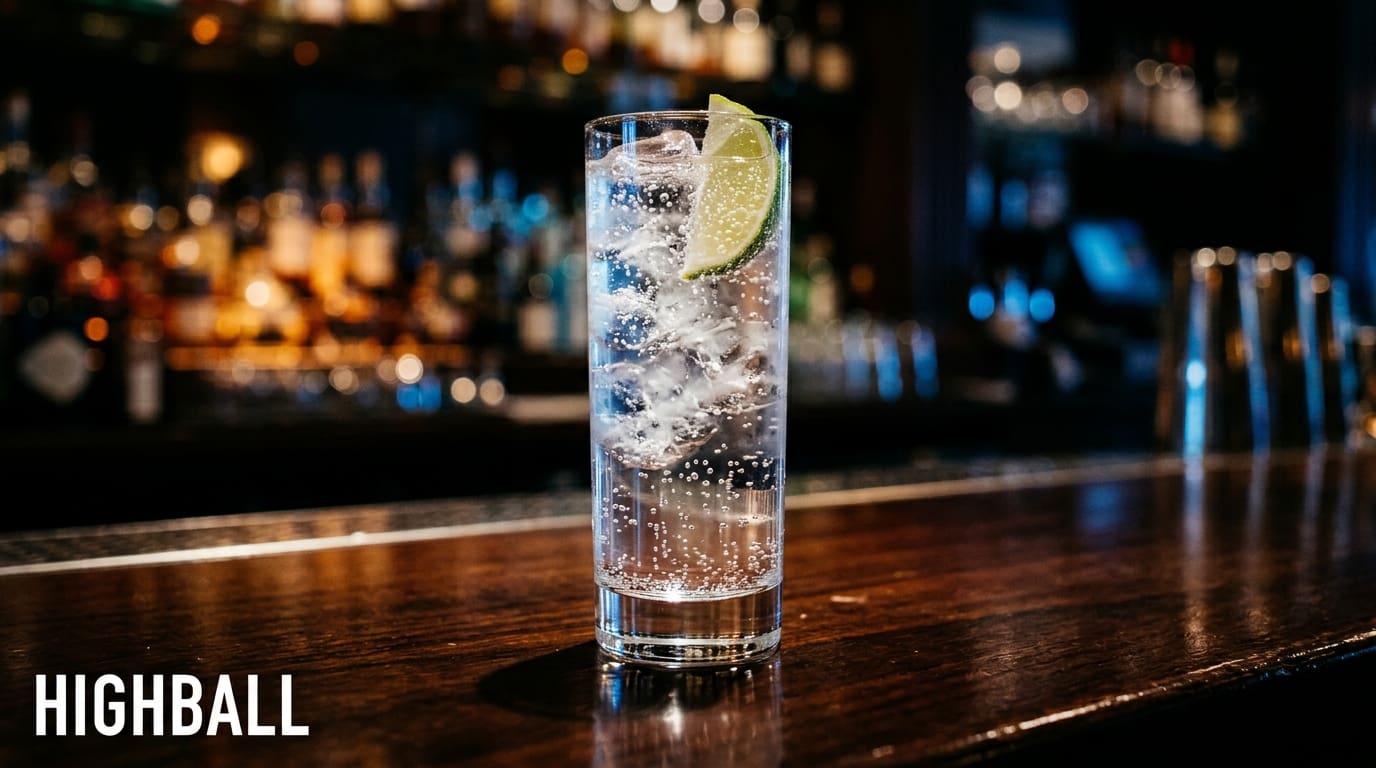
4. Highball / Collins
Tall, straight-sided. 10 to 16 oz. For long drinks built over ice with a mixer top-up.
Use for: Gin and Tonic, Moscow Mule, Cuba Libre, Mojito (long), Dark ‘n’ Stormy, Tom Collins, Vodka Soda, Paloma.
5. Hurricane
Curvy, bulbous, tall. 16 to 20 oz. Designed for tropical blended and frozen drinks that need space for ice, rum, and a small garden on top.
Use for: Hurricane (the namesake), Pina Colada, Frozen Margarita, Miami Vice, most tiki drinks.

6. Shot Glass
Small, usually 1 to 2 oz capacity. Straight-sided or tapered. For shots, neat. The thin-sided slim ones show layered colours best.
Use for: Lightsaber Shot, B-52, layered shots, tequila shots, whiskey shots.

7. Margarita Glass
Wide bowl on a curved stem. 8 to 14 oz. Half-way between a coupe and a hurricane. Technically optional (a coupe works for shaken Margaritas) but looks genuinely fantastic for a Classic Margarita or a Frozen one.
Use for: Spicy Margarita, Frozen Margarita, any Margarita variant, Paloma.

A $100 starter home bar
This gets you covered for 95% of cocktails:
- 4 coupes, $30 (IKEA Stockholm or Libbey Signature)
- 4 double rocks, $25 (Libbey heavy bottom or IKEA)
- 4 highballs, $20
- 6 shot glasses, $10
- 2 margarita glasses, $15
Total: ~$100 for a dinner party of four, covered for any cocktail you are likely to make.
Three glass rules that change your cocktails
Chill your glassware
A cold glass keeps the drink cold for twice as long. Keep your coupes and rocks glasses in the freezer permanently. Five minutes before you pour is enough.
Match the glass to the volume
A 7 oz coupe holding a 3 oz Martini looks right. The same Martini in a 10 oz coupe looks sad and under-poured. Volume mismatch is the biggest home-bar tell.
Buy thin-rimmed glasses for “up” cocktails
The thinner the rim, the less you notice the glass, the more you taste the drink. Libbey Signature Greenwich or Schott Zwiesel coupes are the cost-reasonable upgrade.
Glasses that aren’t worth owning
- Champagne flutes. Use a coupe instead.
- Fancy pewter Moscow Mule mugs. Minimal effect on temperature. Use a highball.
- Novelty tiki mugs. One or two is fine; a shelf of them is clutter.
- Stemless martini glasses. The stem exists for a reason.